






Account
Guest

Mineral vs Chemical Sunscreen: Which Is Right for Your Skin?

Posted By JC


Walk down any sun care aisle, and the labels start to blur together: mineral, chemical, physical, hybrid, "reef-safe," and "sensitive-skin tested." Everyone agrees that sunscreen matters, yet very few shoppers feel confident about which kind of sunscreen belongs on their face every morning, and the mineral-versus-chemical debate only adds to the confusion.


This guide cuts through it. Rather than crowning one winner, it explains how each type of sunscreen actually works, what the research says about safety, and how to match a formula to your skin type, your routine, and your daily habits — so the next bottle you pick is one you'll genuinely want to wear.

How Sunscreen Actually Works

Most people picture mineral sunscreen as a tiny mirror that bounces UV light away and chemical sunscreen as a sponge that soaks it up. It's a tidy story, but it isn't quite accurate. Lab measurements have shown that both mineral and organic filters work mainly by absorbing UV radiation, which means the real differences lie elsewhere: in texture, in how each ingredient behaves on skin, and in how much we know about its safety.

What's in the Bottle?

The active ingredients are what separate the two camps. Mineral formulas rely on zinc oxide or titanium dioxide, while chemical formulas use organic filters such as avobenzone, octinoxate, octocrylene, or homosalate. Zinc oxide absorbs UV fairly evenly across the spectrum, whereas organic filters tend to peak in specific ranges, which is why many chemical products combine several filters to cover everything.


The Safety Conversation, Without the Panic


Here is where headlines tend to get loud. In 2019, an FDA-sponsored study found that four chemical filters (avobenzone, oxybenzone, octocrylene, and ecamsule) entered the bloodstream at levels above the threshold that normally triggers further safety review. That sounds alarming, but context matters.


The study measured absorption, not harm. The FDA did not declare these filters dangerous; it asked for more research. Experts quoted at the time stressed that no toxicity has been established and that people shouldn't stop using sunscreen. Regulators have also noted that only zinc oxide and titanium dioxide were proposed as "generally recognized as safe and effective," while a dozen chemical filters simply lacked enough data to qualify.

 
For readers in Canada, it's worth checking Health Canada's current guidance, since rules and approved filters can differ from those in the United States.


"Absorbed isn't the same as harmful, but it's why researchers keep asking questions."

Mineral Sunscreen: Who It's Best For


Zinc oxide offers wide UVA and UVB coverage and sits on the surface of the skin, which is why mineral sunscreen is a trusted choice for the face, for sensitive skin, and for children.

  • Best for: sensitive or reactive skin, rosacea, post-procedure skin, and anyone who prefers a short ingredient list.
  • Watch for: a thicker feel and a possible white cast, especially on deeper skin tones, unless the formula is sheer or tinted.
  • Good to know: a mineral formula applied too sparingly because it feels heavy and protects less than a chemical one applied properly.


Recommended Product
UV Clear Broad-Spectrum SPF 46 on white background
197

$46.00

ADD TO CART
Mineral Perfection SPF 30 on white background
3

$20.00

ADD TO CART
UV Daily Broad-Spectrum SPF 40 on white background
56

$42.00

ADD TO CART
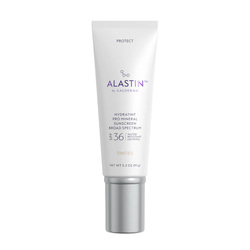
HydraTint Pro Mineral Broad Spectrum Sunscreen SPF 36 on white background
16

$79.00

ADD TO CART
UV Active Broad-Spectrum SPF 50+ on white background
1

$48.00

ADD TO CART


Chemical Sunscreen: Who It's Best For

Chemical sunscreens are known for their lightweight textures, invisible finish, and effortless application. They blend smoothly into the skin without leaving a noticeable white cast, making them an excellent choice for everyday wear, especially under makeup. Many modern formulas also offer comfortable, non-greasy finishes suitable for different skin types.

Chemical sunscreens are particularly appealing to those with oily skin, deeper skin tones, or anyone who prefers a barely-there feel. However, certain formulas may cause stinging or irritation, especially around sensitive eyes.

Which Sunscreen Fits Your Skin Type?

Choosing the right sunscreen depends on your skin's needs, preferences, and daily activities. Both mineral and chemical formulas can provide effective protection when used correctly.

  • Sensitive or redness-prone skin: Fragrance-free mineral sunscreens are often a gentle option.

  • Oily or acne-prone skin: Lightweight, oil-free, non-comedogenic formulas help minimize a greasy feel.

  • Dry or mature skin: Hydrating sunscreens with moisturizing ingredients provide added comfort.

  • Deeper skin tones: Sheer chemical or tinted mineral formulas can help avoid a visible white cast.

  • Makeup wearers: Lightweight chemical, hybrid, or tinted mineral sunscreens can layer smoothly beneath cosmetics.

Where Sunscreen Fits in Your Routine

Sunscreen should be the final step of your morning skincare routine, applied after cleansing, serums, and moisturizer but before makeup. Cover all exposed areas, including the face, neck, and ears, and apply it approximately 15 minutes before sun exposure, following the product's directions.

At the end of the day, thoroughly cleanse the skin to remove sunscreen, makeup, and impurities. Water-resistant or tinted formulas may benefit from double cleansing with a gentle cleansing balm or oil followed by a regular cleanser.

Understanding SPF Numbers

SPF measures how effectively sunscreen protects against UVB rays, which are primarily responsible for sunburn. SPF 30 filters approximately 97% of UVB rays, while SPF 50 filters about 98% when applied correctly.

For reliable everyday protection, choose a broad-spectrum sunscreen with SPF 30 or higher. SPF 50 may be especially beneficial during extended outdoor activities or for skin prone to discoloration. Most importantly, applying enough sunscreen and reapplying regularly are essential for maintaining protection.

Common Sunscreen Mistakes to Avoid

Even a high-quality sunscreen may provide less protection when applied incorrectly. Common mistakes include:

  • Applying too little: Insufficient coverage reduces the level of protection.

  • Forgetting to reapply: Reapply approximately every two hours outdoors and after swimming, sweating, or towel drying.

  • Missing exposed areas: Remember the ears, neck, hairline, and other frequently overlooked areas.

  • Relying on marketing claims: Look beyond terms like "natural" or "mineral" and check the active ingredients, SPF rating, and broad-spectrum protection.

Final Thoughts on Choosing Your Sunscreen

Both mineral and chemical sunscreens offer valuable benefits, and neither is universally better for every skin type. Mineral formulas are often preferred for sensitive skin, while chemical options are appreciated for their lightweight feel and seamless finish.

Ultimately, the best sunscreen is one that suits your skin, feels comfortable, and encourages consistent daily use. Whether you prefer mineral, chemical, or hybrid protection, regular application, proper coverage, and daily sun protection are what truly make the difference in maintaining healthy-looking skin.

New Subscribers get 10% Off

SUBSCRIBE
*Offer only for new subscribers and select brands only.
No spam. Unsubscribe at any time.
eSkinStore

by Eternal Skin Care

1700 7th Avenue, Unit 2100
Seattle, WA 98101
United States
Copyrights 1999-2026

Now Shopping

US Flag
Canadian Flag

Payment Methods

payment methods

Credentials

This site is protected by VikingCloud's Trusted Commerce program
Eternal Logo

Eternal Skin Care ®
1700 7th Avenue, Unit 2100
Seattle, WA 98101
United States
Copyrights 1999-2026

Welcome Back

Account Home
Previous Orders
Order Status
My Loves
Sign Out

Don't Have An Account?

Start Here if you are new to our website.

CONTINUE
FORGOT PASSWORD
Don't remember your password, please enter your email and we'll send you a link to reset your password.
small logo
SAVE 10%
on your first order*
Subscribe and receive promotional offers and stay up to date with new trends in beauty and well being.
SIGN UP
*Offer only for new subscribers, excludes certain brands.
One-time promo code will be sent via email.
By entering your email, you agree to receive newsletters from eSkinStore.

1.866.336.7546


NEED HELP
Loading

1.866.336.7546


Feedback
Contact us
Live chat
Added To Cart
COOKIES!
We use cookies to improve your browsing experience and help us improve eSkinStore.com. By using our site, you agree to use of cookies as described in our cookie policy